








CBD oil has become one of the most widely discussed products in the natural wellness space. As interest in plant-based supplements continues to grow, many people are seeking accurate and easy-to-understand information about what CBD oil is, how it works, and how it is commonly used. This article provides clear and reliable CBD oil information to help readers make informed choices.
What Is CBD Oil?
CBD oil is a product made from cannabidiol (CBD), a naturally occurring compound found in the Cannabis sativa plant. CBD is one of many cannabinoids present in cannabis, but unlike tetrahydrocannabinol (THC), it does not cause intoxicating or mind-altering effects.
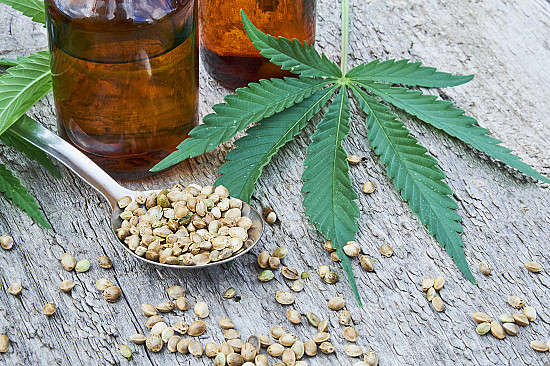
Most CBD oil products are derived from hemp, a type of cannabis plant that contains very low levels of THC. After extraction, CBD is mixed with a carrier oil such as MCT oil, hemp seed oil, or olive oil to create a product that is easy to measure and consume.
How CBD Oil Is Produced
The quality of CBD oil largely depends on how it is produced. Hemp plants are grown and harvested, after which CBD is extracted using methods such as CO₂ extraction, ethanol extraction, or oil infusion. Among these, CO₂ extraction is widely regarded as one of the cleanest and most efficient methods.
Once extracted, the CBD is refined and combined with a carrier oil. Some products also include additional plant compounds such as terpenes or other cannabinoids to enhance the overall formulation.
Types of CBD Oil
CBD oil products generally fall into three categories:
Full-spectrum CBD oil contains CBD along with other cannabinoids, terpenes, and trace amounts of THC within legal limits.
Broad-spectrum CBD oil includes multiple cannabinoids but removes THC entirely.
CBD isolate contains pure cannabidiol without any other plant compounds.
Each type offers different benefits, and the choice depends on personal preferences, sensitivity to THC, and local regulations.
How CBD Oil Works in the Body
CBD oil interacts with the body’s endocannabinoid system (ECS), which helps regulate essential functions such as mood, sleep, appetite, immune response, and stress balance. Rather than directly activating ECS receptors, CBD influences how these receptors function, supporting overall balance within the body.
This indirect interaction is one reason CBD oil is often associated with general wellness support rather than targeted medical treatment. Individual responses to CBD may vary based on dosage, consistency of use, and personal body chemistry.
Common Uses of CBD Oil
CBD oil is commonly used as part of a daily wellness routine. Many individuals incorporate it into practices focused on relaxation, mindfulness, and stress management. Others use CBD oil after physical activity as part of recovery routines or as a complement to healthy lifestyle habits.
CBD oil is available in various forms, including tinctures, capsules, topical creams, and infused products, allowing flexibility in how it is used. It is important to note that CBD oil is not intended to diagnose, treat, or cure any medical condition.
Quality and Safety Considerations
Not all CBD oil products are created equal, making quality an important consideration. Reputable brands provide third-party lab testing to verify cannabinoid content and ensure products are free from contaminants such as pesticides, heavy metals, and residual solvents.
Consumers should review product labels carefully, confirm hemp sourcing, and look for certificates of analysis. Starting with a low serving size and gradually adjusting is generally recommended. Individuals taking medications or managing health conditions should consult a healthcare professional before using CBD oil.
Legal and Regulatory Status
The legal status of CBD oil varies depending on country and region. In many areas, hemp-derived CBD oil is legal if it contains THC below a specified threshold. However, regulations regarding labeling, marketing, and distribution may differ. Understanding local laws is essential before purchasing or using CBD oil products.
The Growing Popularity of CBD Oil
The rising popularity of CBD oil reflects a broader shift toward natural and plant-based wellness options. Increased consumer awareness, product innovation, and research have contributed to its acceptance across multiple industries, including wellness, personal care, and nutrition.
As education and regulation continue to evolve, CBD oil is expected to remain a significant component of the natural wellness market.
Conclusion
CBD oil is a hemp-derived product that has gained widespread attention for its role in supporting general wellness. By understanding what CBD oil is, how it is made, and how it interacts with the body, consumers can make informed and responsible choices. Reliable CBD oil information is essential in navigating this expanding market and selecting high-quality products that align with individual wellness goals.









+ There are no comments
Add yours